

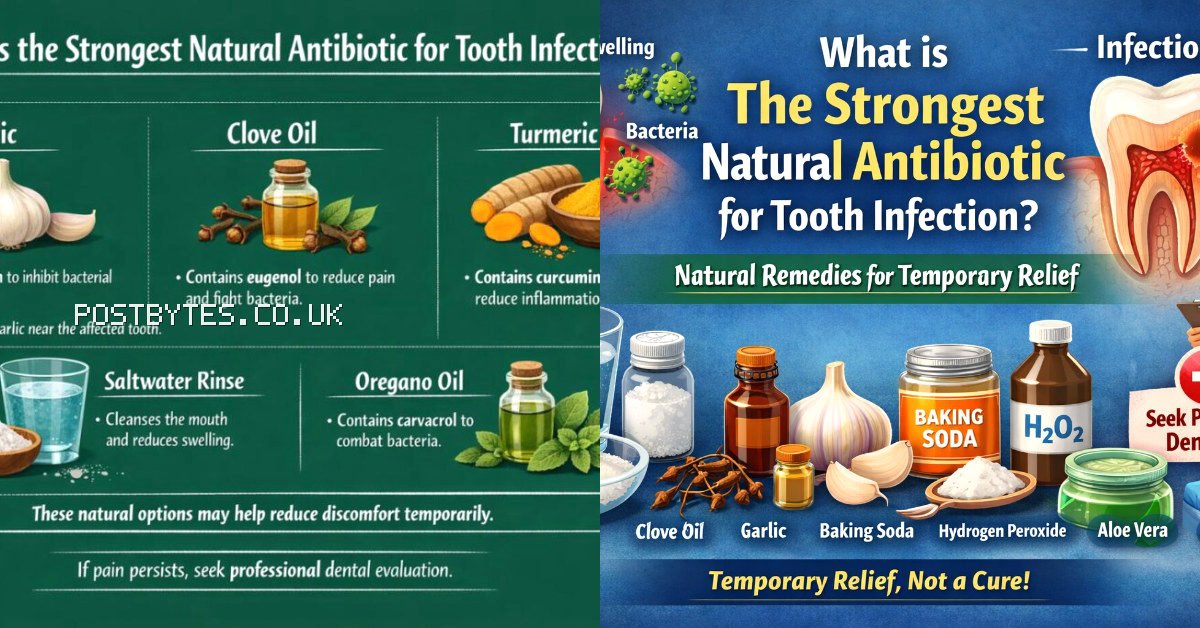
Many people assume that a strong natural antibiotic can cure a tooth infection at home. A dental abscess requires drainage and often a course of amoxicillin or clindamycin, not just garlic or clove oil. You may also want to check US Workplace Safety Laws in 1900: Status and Reforms for a different perspective on similar ground
How the Belief in Natural Antibiotics for Tooth Infections Developed
The idea that certain foods and herbs can fight infection is ancient. Garlic, for instance, has been used medicinally for thousands of years, with records from Egyptian and Chinese traditions. However, these tests are done in petri dishes, not in human mouths. Additional verified details are compiled on What Is the Strongest Natural Antibiotic for Tooth Infection? A Dentist …
Clove oil has a similar story. Eugenol, its active ingredient, has been a dental remedy for centuries, and it does have both analgesic and antibacterial effects. Yet its role is limited to temporary pain relief on the surface of a tooth or gum. It cannot penetrate the deep structures of an abscess or eliminate the biofilm that harbors infection.
The 2020 systematic review in the Journal of Oral Microbiology examined herbal alternatives to prescription antibiotics for dental infections. The authors found limited evidence to support their use as replacements. This review is one of the few comprehensive looks at the topic, and its conclusions are cautious.
Who Benefits from Natural Remedies and Who Faces Real Risks
People with mild gum irritation or a small canker sore might find temporary comfort from clove oil or saltwater rinses. For them, these remedies are harmless adjuncts. But the group that truly benefits is those who use natural options alongside, not instead of, professional treatment. If you want to go deeper, Kill Tooth Pain Nerve in 3 Seconds Permanently covers an adjacent angle worth reading
The group that loses is anyone with a true dental abscess who delays seeing a dentist. The American Dental Association explicitly advises against relying on natural remedies alone for dental infections. The reason is the risk of spread. An untreated infection can move into the jaw, the bloodstream, and eventually cause sepsis, a life-threatening condition.
We should also consider people with compromised immune systems, such as those with diabetes or undergoing chemotherapy. For them, even a minor infection can escalate quickly. Natural remedies offer no protection against this escalation.
Real-World Impact: What Patients and Dentists Actually See
In dental clinics, the consequences of delayed treatment are common. Dentists regularly see patients who tried oil pulling or garlic compresses for a week before seeking help, only to find the infection has spread to the surrounding bone. Oil pulling, an Ayurvedic practice, has been studied, but the evidence for its effectiveness against tooth abscesses is weak.
Manuka honey is another popular remedy. It has proven antibacterial properties on wounds, but its efficacy inside a dental abscess remains unproven. The honey cannot reach the root canal system where the infection lives.
The CDC has highlighted rising antibiotic resistance as a global threat. This makes appropriate prescription use more important than ever. Overuse of antibiotics, including self-medication with leftover pills, contributes to resistance. Natural remedies, while not contributing to resistance, also do nothing to address the underlying infection.
Timeline of Key Moments in the Natural Antibiotic Debate
2000: The American Dental Association publishes guidelines emphasizing that dental infections require professional treatment, not home remedies. com/strongest-natural-antibiotic-tooth-infection/” rel=”noopener noreferrer” target=”_blank”>What Is the Strongest Natural Antibiotic for Tooth Infection? A Dentist…
2014: A study in the Journal of Endodontics finds that eugenol, the active compound in clove oil, has antibacterial effects against some oral pathogens, but only at concentrations that are irritating to tissues.
2017: The CDC releases a report on antibiotic resistance, noting that dental prescriptions account for a significant portion of outpatient antibiotic use.
2020: The Journal of Oral Microbiology publishes its systematic review, concluding that evidence for herbal alternatives is limited.
2023: A review in the International Journal of Environmental Research and Public Health summarizes the antimicrobial activity of garlic, but again notes the lack of clinical trials for dental infections.
| Remedy | Known Effect | Clinical Evidence for Tooth Infection |
|---|---|---|
| Garlic (allicin) | Antimicrobial in lab tests | None in humans |
| Clove oil (eugenol) | Topical pain relief, mild antibacterial | Temporary relief only |
| Manuka honey | Antibacterial on wounds | Unproven inside abscess |
| Oil pulling | Traditional practice | Weak evidence |
Frequently Asked Questions
How does a natural antibiotic differ from a prescription one for a tooth infection?
Prescription antibiotics like amoxicillin are clinically proven to kill the specific bacteria causing dental abscesses, and they are delivered in doses that reach therapeutic levels in the bloodstream. Natural substances may have antibacterial properties in a lab, but they lack the potency, targeted action, and clinical evidence needed to cure an infection.
Who is most at risk from relying on natural remedies for a tooth infection?
People with weakened immune systems, such as those with diabetes, cancer, or autoimmune conditions, face the highest risk. For them, an untreated dental infection can spread rapidly to the jaw, bloodstream, or brain. Even healthy individuals risk serious complications if they delay professional care while trying natural options.
Is it true that garlic can cure a tooth infection, or is that a myth?
Garlic contains allicin, which has antimicrobial activity in laboratory settings, but there is no clinical evidence that it can cure a tooth infection in humans. The infection lives inside the tooth’s root canal, where garlic cannot reach. It may offer minor symptom relief, but it is not a cure.
Why did the American Dental Association warn against using natural remedies alone?
The ADA issued this warning because dental infections can spread quickly and cause severe complications, including sepsis. Natural remedies do not eliminate the bacteria deep within the tooth or the surrounding bone. Without proper drainage and antibiotics, the infection can worsen, leading to hospitalization or even death.
How much does it cost to treat a tooth infection with a dentist versus natural remedies?
A dental visit for an abscess typically costs between $100 and $300 for the exam and X-rays, plus the cost of antibiotics, which are often under $20. Root canal treatment, if needed, can cost $700 to $1,500. Natural remedies cost a few dollars, but they do not cure the infection, so the eventual dental bill is usually higher.
