

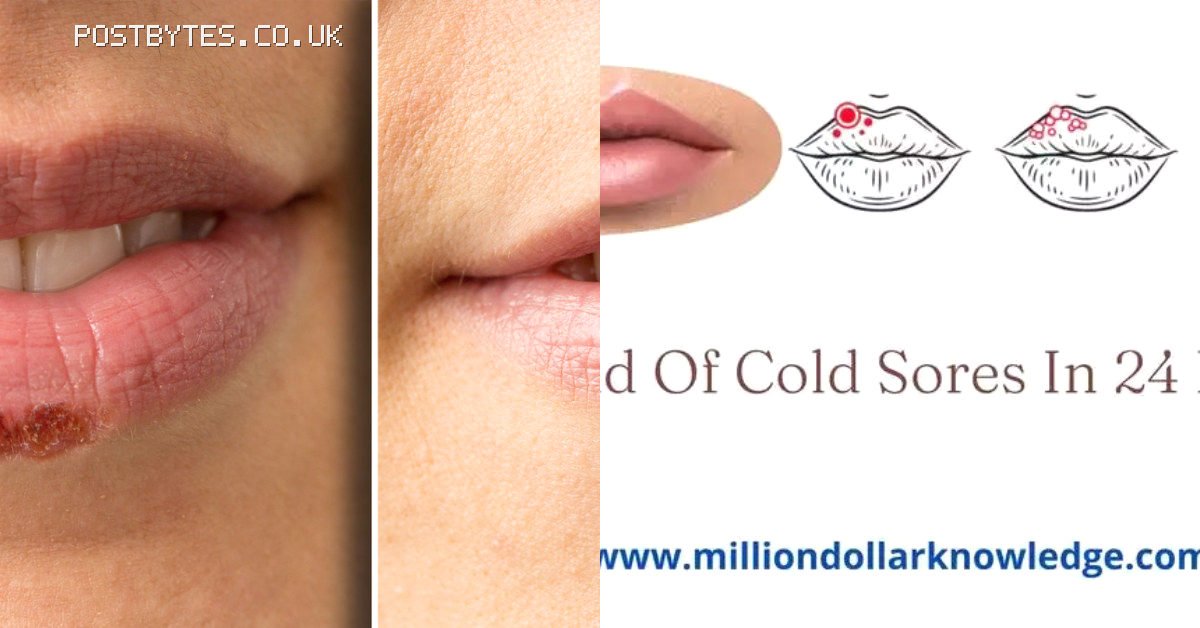
You’ve probably seen the viral claims: apply this cream, pop that pill, and your cold sore vanishes overnight. The blunt truth is that no treatment erases a cold sore in 24 hours. What early action can do is stop the blister from fully forming, cutting the visible outbreak from a week to a few days.
Why the 24-Hour Promise Falls Short in Real Life
Cold sores are caused by the herpes simplex virus type 1 (HSV-1), which lives permanently in your nerve cells. Once the tingling starts, the virus is already replicating. Antiviral drugs work by halting that replication, but they don’t kill the virus outright. That’s why even the best treatments only shorten the episode, not eliminate it. A companion read that pairs well with this one is How to Safely Remove Fully Embedded Ticks on Dogs at Home
In practice, people who catch the prodrome stage—that telltale itch or burn before the blister appears—get the best results. Start treatment within the first 24 to 48 hours, and you might suppress the sore entirely. Miss that window, and you’re looking at the full 7 to 10 day cycle.
The more useful approach is to think of “24-hour relief” as symptom control, not virus clearance. Ice packs for 10 to 15 minutes at a time reduce swelling and pain, but they don’t touch the virus. Pain relief and cosmetic cover-up are realistic goals; a guaranteed cure is not.
What the Research Actually Says About Fast-Acting Treatments
Docosanol, sold as Abreva, is the only FDA-approved nonprescription topical for cold sores. Applied five times daily, it can reduce healing time to about four days in some studies. That’s faster than nothing, but it’s not a same-day fix.
Prescription valacyclovir (Valtrex) is the closest thing to a rapid intervention. A single-day regimen of 2 grams twice daily, taken at the first tingle, can block blister formation in some clinical cases. Acyclovir and famciclovir work similarly, shaving one to two days off the outbreak if started early. Topical penciclovir (Denavir), applied every two hours while awake, also modestly shortens healing—again, only if you catch it before the blister appears.
Supplements like lysine (1 to 3 grams daily) may reduce how often outbreaks recur, but the evidence for acute 24-hour resolution is weak. Tea tree oil and propolis cream show antiviral activity in small studies, yet no regulated product claims reliable same-day elimination. The honest takeaway: prescription antivirals are your best shot, and they still need a head start.
| Treatment | How It Works | Realistic Timeline |
|---|---|---|
| Docosanol (Abreva) | Blocks viral entry into cells | ~4 days if started early |
| Valacyclovir (Valtrex) | Oral antiviral, stops replication | May prevent blister in 1 day |
| Penciclovir (Denavir) | Topical antiviral | Modest reduction if pre-blister |
| Ice packs | Reduces swelling, numbs pain | No effect on virus |
How the Prodrome Phase Determines Your Outcome
The tingling, burning, or itching you feel before a cold sore appears is called the prodrome. It’s your earliest warning sign, and it’s the only moment when a 24-hour turnaround is even remotely possible. If you’ve had cold sores before, you likely recognize this sensation within seconds.
That’s when you should hit the pharmacy or call your doctor. A 2024 Moderna trial for an mRNA herpes vaccine (mRNA-1608) is in Phase 1/2, but it aims to reduce outbreaks, not cure them. For now, your own speed matters more than any product. Public records covering this story are gathered in How To Get Rid Of A Cold Sore In 24 Hours (2026) – Doctronic
Keep a prescription antiviral on hand if you get frequent outbreaks. That way, you can start treatment the instant you feel the tingle, not after the blister appears. The difference between catching it at hour one versus hour ten can be the difference between a tiny red mark and a full-blown sore.
What Actually Makes Cold Sores Worse
Picking or popping a cold sore is the worst thing you can do. It increases viral shedding, invites bacterial infection, and extends the visible healing time. The blister is your body’s way of containing the virus; breaking it open only spreads it.
Sunscreen on your lips (SPF 30 or higher) is a proven preventive, especially in spring and summer when UV exposure triggers recurrences in many people. Stress, fatigue, and illness also lower your immune defenses, making outbreaks more likely. Managing those triggers won’t cure a current sore, but it reduces the odds of the next one.
The weaker claim here is that any home remedy—from toothpaste to essential oils—can deliver a 24-hour cure. None have clinical backing for that speed. Stick with proven antivirals, protect your lips from the sun, and accept that a cold sore runs its course in about a week.
Frequently Asked Questions
Where do cold sores typically appear on the body?
Cold sores almost always show up on or around the lips, but they can also appear on the nose, chin, or cheeks. The herpes simplex virus travels along nerve pathways, so outbreaks tend to recur in the same general area each time.
What is the most effective way to shorten a cold sore outbreak?
Prescription oral antivirals like valacyclovir, taken at the first sign of tingling, are the most effective. They can stop the blister from forming entirely if started within 24 to 48 hours. Over-the-counter docosanol is a good backup but works more slowly.
Is a cold sore still contagious after it scabs over?
Yes, the virus can still shed even after scabbing begins. The risk drops significantly once the sore fully heals and the skin returns to normal. Until then, avoid kissing and sharing utensils, towels, or lip balm.
How does a cold sore differ from a canker sore?
Cold sores are caused by HSV-1, are contagious, and appear on the outside of the lips. Canker sores are not contagious, occur inside the mouth, and are often linked to stress or minor injury. They require completely different treatments.
When did the first antiviral for cold sores become available?
Acyclovir, the first effective antiviral for herpes, was approved in the early 1980s. It revolutionized treatment by offering a way to shorten outbreaks. Today, newer drugs like valacyclovir offer simpler dosing and better absorption.
