

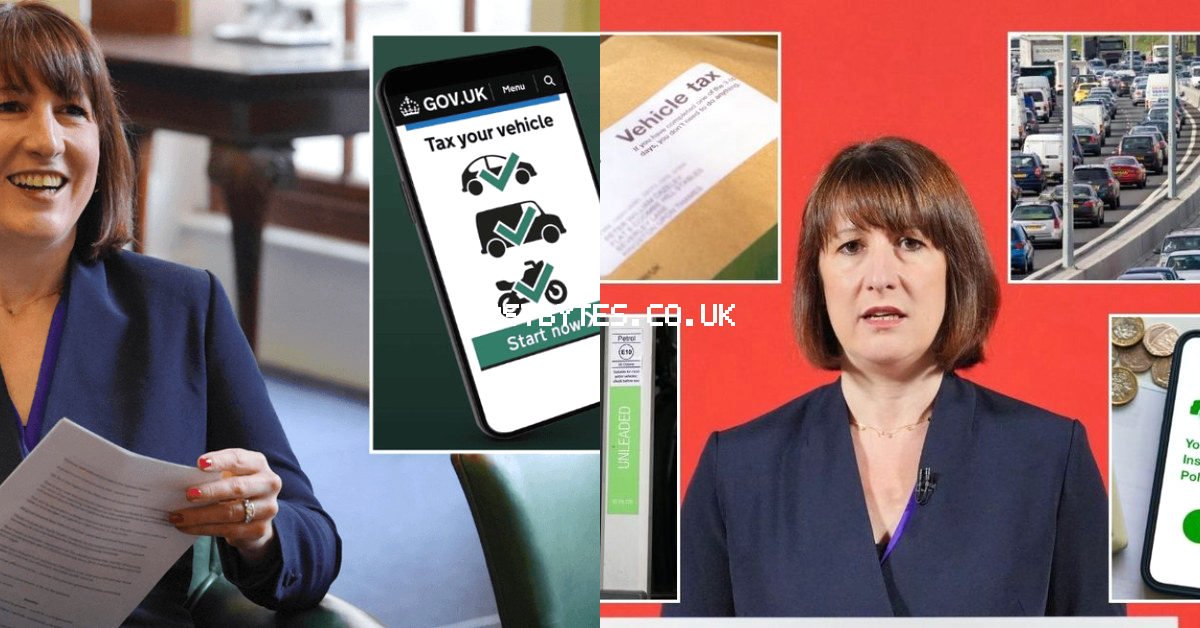
Many motorists assume that Rachel Reeves’ car tax changes only affect electric vehicle owners. That assumption misses the wider scope of the adjustments introduced in the autumn Budget of 2024. The changes touch a broad range of vehicles, from new petrol cars to older diesel models, and they take effect in stages through 2025. For a complementary read on the same theme, see US Workplace Safety Laws in 1900: Status and Reforms
The Financial and Regulatory Framework Behind the Adjustments
Vehicle Excise Duty (VED) has long been the primary tax on cars in the United Kingdom. The system, which dates back to 1888, was reformed significantly in 2001 when the government introduced a graduated scheme based on carbon dioxide emissions. Rachel Reeves, as Chancellor of the Exchequer, used her first Budget in October 2024 to announce a series of VED changes aimed at closing a fiscal gap.
The most notable shift concerns electric vehicles. From April 2025, EVs will no longer be exempt from VED. This marks the end of a policy that had been in place since 2001, when the Labour government first introduced the zero-emission discount.
Another regulatory change affects the expensive car supplement. Vehicles with a list price above £40,000 currently attract an additional £410 per year for five years. The new rules extend this supplement to electric cars from April 2025, meaning buyers of premium EVs will face a higher annual charge. The threshold itself remains unchanged, but the scope now includes zero-emission models.
| Vehicle Type | Current VED Rate (2024) | New Rate from April 2025 |
|---|---|---|
| Electric car (registered after 2017) | £0 | £190 |
| Petrol car (150-170 g/km CO2) | £190 | £195 |
| Diesel car (150-170 g/km CO2) | £190 | £195 |
| Electric car (list price over £40,000) | £0 | £190 + £410 supplement |
What Has Changed and What Comes Next for Motorists
The first wave of changes took effect on 1 April 2025. For electric vehicles, the first-year rate is now £10, a symbolic charge that signals the end of the zero-rate era. The standard rate for EVs, however, applies from the second year onwards.
For hybrid vehicles, the picture is more nuanced. Plug-in hybrids with CO2 emissions between 1 and 50 g/km will see their first-year rate rise from £10 to £110. This is a significant jump, though still lower than the rate for pure petrol cars. The government’s stated aim is to encourage a shift to zero-emission driving, but the new rates suggest a more gradual transition than some had hoped.
This means that the £190 standard rate will increase annually, though the exact figures depend on inflation. For drivers planning to buy a new car in 2025, the advice is to check the specific VED band before purchase, as the differences can amount to hundreds of pounds over a vehicle’s lifetime.
One area that remains unclear is the treatment of classic cars. Vehicles over 40 years old are currently exempt from VED, and the new rules do not change that. However, the definition of a classic car has been debated in recent years, and some owners worry that future changes could affect their status. For now, the exemption stands.
Strengths and Weaknesses of the New Tax Structure
The most obvious strength of the new system is its simplicity. By bringing electric vehicles into the same VED framework as petrol and diesel cars, the government has removed a distortion that encouraged some buyers to choose EVs solely for tax reasons. The change also raises revenue, which the Treasury estimates will contribute to funding public services.
Yet the approach has notable weaknesses. The expensive car supplement, for instance, penalises buyers of premium EVs without considering their environmental impact. A £45,000 electric SUV will incur the same supplement as a £45,000 petrol SUV, even though the former produces zero tailpipe emissions. This seems to contradict the government’s stated climate goals.
Another criticism concerns the timing. The changes were announced in October 2024 and took effect just six months later, giving little time for consumers to adjust. Some industry analysts argue that a longer transition period would have allowed manufacturers to adapt their pricing strategies. The more useful approach, they suggest, would have been to phase in the changes over two or three years. mytaxaccountant.co.uk/post/rachel-reeves-car-tax-changes” rel=”noopener noreferrer” target=”_blank”>Rachel Reeves Car Tax Changes UK | Expert Guide for Taxpayers …
There is also a fairness question. Drivers in rural areas, who often have no alternative to car travel, will feel the impact of higher VED rates more acutely than urban dwellers with access to public transport. The government has not announced any regional adjustments to mitigate this disparity.
Behind the Scenes: How the Policy Was Developed
The decision to reform car tax was not made in isolation. It emerged from a broader fiscal review conducted by the Treasury in the summer of 2024, following the general election that brought the Labour Party to power. Rachel Reeves, who had shadowed the role of Chancellor before the election, was tasked with finding savings to address what she described as a £22 billion black hole in public finances.
According to some sources, the Treasury consulted with automotive industry groups and environmental NGOs during the review. The final package reflects a compromise: it raises revenue from EVs but keeps the first-year rate low to avoid a sudden shock. The consultation process, however, was not made public, and the details of the discussions remain confidential.
The policy also aligns with broader trends in European taxation. Several countries, including Germany and the Netherlands, have already introduced or are planning to introduce road taxes for electric vehicles. The UK’s move, therefore, is part of a wider shift away from fuel duty as the primary source of motoring revenue.
One detail that received little attention is the impact on company car tax. The Benefit-in-Kind (BiK) rates for electric vehicles remain at 2% for the 2024-25 tax year, but the government has announced that they will rise to 3% in 2025-26. This is a separate change from VED, but it affects the same group of drivers and adds to the overall cost of running an EV.
Frequently Asked Questions
How do the new car tax rules differ from the previous system?
The key difference is that electric vehicles are no longer exempt from Vehicle Excise Duty. Previously, EVs paid £0 in VED, but from April 2025 they pay the standard rate of £190 per year, plus the expensive car supplement if their list price exceeds £40,000.
What impact will the changes have on the used car market?
The changes are likely to affect the resale value of electric vehicles, as buyers will factor in the new annual tax. Some analysts predict a short-term dip in EV prices, while petrol and diesel cars may hold their value better in the immediate aftermath.
Why did the government decide to tax electric vehicles now?
The primary reason is fiscal: the Treasury needs to raise revenue to address the budget deficit. Additionally, as EV adoption grows, the government argues that it is fair for all road users to contribute to the upkeep of the road network.
Who is affected by the expensive car supplement for EVs?
Anyone buying a new electric car with a list price above £40,000 will pay an additional £410 per year for five years, on top of the standard VED rate. This applies to models like the Tesla Model Y and certain Audi and BMW EVs.
How many vehicles are expected to be affected by the new rules?
Exact figures are not available, but the number is substantial. In 2023, electric vehicles accounted for over 16% of new car registrations in the UK, and the majority of those models fall within the price range that triggers the supplement.
