

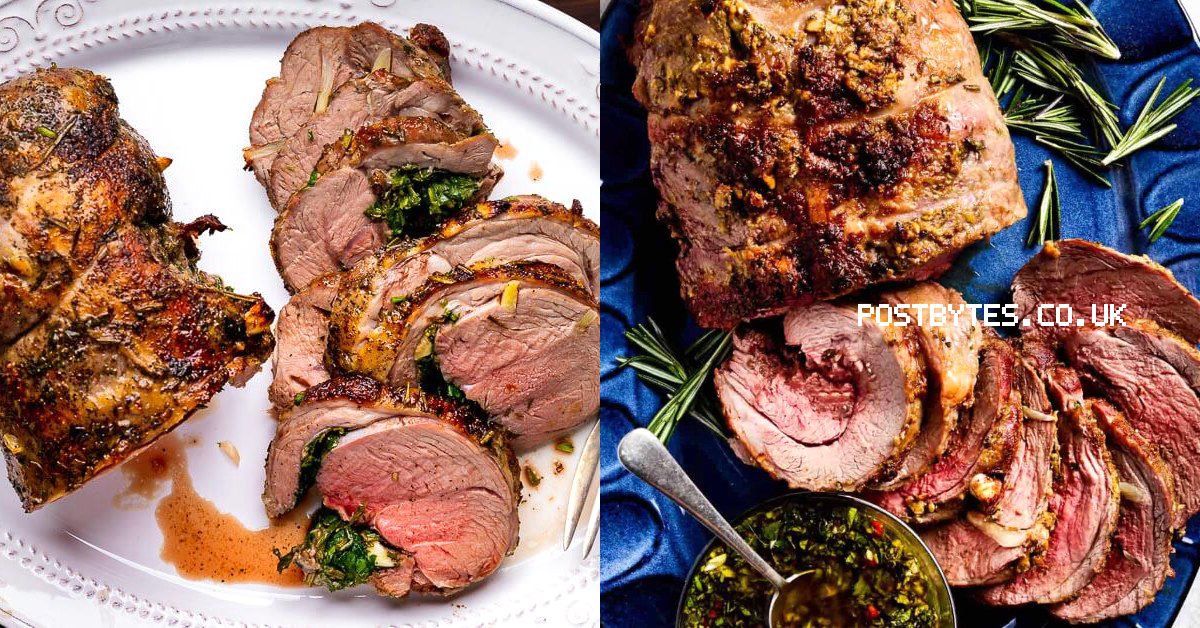
Boneless leg of lamb is a hind-leg cut with the hip bone and shank removed, often butterflied or tied. It roasts faster and more evenly than bone-in leg, typically taking 1.5–2 hours at 375°F. That time saving makes it a practical choice for a Sunday roast or a holiday centerpiece.
Why Home Cooks Are Switching to Boneless Leg of Lamb
The appeal is straightforward: no awkward carving around a bone, and the meat cooks uniformly. Butterflying creates a flat, even layer, which is ideal for grilling or stuffing and rolling. Trussing with twine keeps the roast compact, so it holds its shape during cooking.
You get more edible meat per pound, too. Because the bone is gone, every slice is lean and tender. That matters when you’re feeding a crowd and want to avoid waste. The trade-off is that you lose some of the dramatic presentation of a bone-in roast, but the ease of serving often wins over home cooks.
One common mistake is overcooking, since the leaner cut dries out quickly. A meat thermometer is non-negotiable here. Pull the roast at 130–135°F for medium-rare, then rest it for 15 minutes before slicing. That rest period lets the juices redistribute, so you don’t end up with a dry, crumbly texture.
From Butcher Shop to Table: The Origins of This Cut
The boneless leg has roots in European butchery, where removing the aitchbone and shank became standard practice for easier carving. In France, the cut is often tied into a neat cylinder called a “gigot,” while in the Middle East, it’s frequently butterflied and grilled over open flames. These traditions date back centuries, but the modern home cook benefits from them directly. If you want to go deeper, US Workplace Safety Laws in 1900: Status and Reforms covers an adjacent angle worth reading
By the mid-20th century, American supermarkets began offering boneless legs as a convenience item. Butchers would remove the bone, roll the meat, and tie it with twine, saving shoppers the hassle of doing it themselves. That shift made lamb more accessible to cooks who were intimidated by whole legs. Today, you can find pre-tied roasts in most grocery stores, though asking your butcher to butterfly one gives you more control over thickness and shape.
The cut also features prominently in Mediterranean and French cuisines, often served at Easter. In Greece, it’s marinated with garlic and lemon; in Provence, it’s rubbed with herbs de Provence and roasted with potatoes. These regional variations highlight the cut’s versatility, whether you’re grilling, roasting, or stuffing it.
What’s New in Boneless Leg of Lamb Cooking
Recent trends have pushed the boneless leg beyond the traditional oven roast. Sous vide cooking has gained traction among home cooks who want precise doneness. You can cook the lamb at 130°F for several hours, then sear it in a hot pan for a crust. That method eliminates the guesswork and delivers edge-to-edge pink meat. allrecipes.com/recipe/230327/easy-leg-of-lamb/” rel=”noopener noreferrer” target=”_blank”>Roast Boneless Leg of Lamb Recipe
Another development is the rise of spice-forward rubs. Instead of just rosemary and garlic, cooks are experimenting with harissa, za’atar, or smoked paprika. These bold flavors pair well with the lamb’s natural richness and cut through the fat. The more useful approach is to apply the rub a day ahead, letting the salt and spices penetrate the meat overnight.
Butterflying has also become a popular technique for grilling. A flattened leg cooks in about 20 minutes over direct heat, making it a summer alternative to the slow-roasted version. You can stuff it with spinach, feta, or pine nuts, then roll and tie it before grilling. That method turns a simple roast into a showstopper with minimal effort.
What comes next? Expect more recipes that combine sous vide with high-heat finishing, as well as more global spice blends. The boneless leg is no longer just an Easter staple; it’s a year-round option for weeknight dinners and weekend gatherings alike.
Boneless vs. Bone-In: Which Lamb Roast Wins?
Bone-in leg of lamb has its fans, and for good reason. The bone adds flavor and helps the meat stay moist during long cooking. It also makes for a striking presentation, especially when the shank is frenched. But it takes longer to cook, and carving around the bone can be tricky for novices.
Boneless leg, on the other hand, cooks faster and more evenly. You can stuff it, roll it, or grill it flat. The downside is that you lose some of the bone’s flavor contribution, though a good marinade or rub compensates. If you’re short on time or want a foolproof roast, boneless is the better bet.
Here’s a quick comparison to help you decide:
| Aspect | Boneless | Bone-in |
|---|---|---|
| Cooking time | 1.5–2 hours at 375°F | 2–3 hours at 350°F |
| Carving | Easy, no bone to navigate | Requires skill to slice evenly |
| Flavor | Milder, relies on marinade | Richer, bone adds depth |
| Versatility | Can be butterflied, stuffed, grilled | Limited to roasting |
For a classic roast, bone-in is hard to beat. But if you want flexibility and speed, boneless is the practical choice. Many cooks keep both in their repertoire, using bone-in for special occasions and boneless for weeknight meals.
Frequently Asked Questions
How long does a boneless leg of lamb take to cook?
At 375°F, a 3-4 pound boneless leg typically takes 1.5 to 2 hours to reach medium-rare. Always use a meat thermometer to check for 130–135°F, then rest for 15 minutes. Cooking times vary based on thickness and whether it’s tied or butterflied.
Where can I buy a boneless leg of lamb?
Most large supermarkets carry pre-tied boneless legs in the meat section, especially around Easter. For a butterflied version, ask your butcher to prepare it for you. Specialty halal or kosher markets often have higher-quality options with more consistent trimming.
Is boneless leg of lamb still good for grilling?
Yes, it’s excellent for grilling, especially when butterflied. A flattened leg cooks in about 20 minutes over medium-high heat, turning once. Marinate overnight for deeper flavor, and let it rest before slicing against the grain.
Does boneless leg of lamb dry out more easily than bone-in?
It can, because the bone helps retain moisture during cooking. To prevent dryness, avoid overcooking and use a marinade or rub. Resting the meat for 15 minutes after cooking also helps lock in juices. Sous vide is another foolproof method for keeping it moist.
What is the best marinade for boneless leg of lamb?
A classic mix of garlic, rosemary, olive oil, and lemon works well, refrigerated overnight for deeper flavor. For a spicier twist, try harissa or za’atar. The key is to include salt, which helps the meat retain moisture and season it throughout.
