

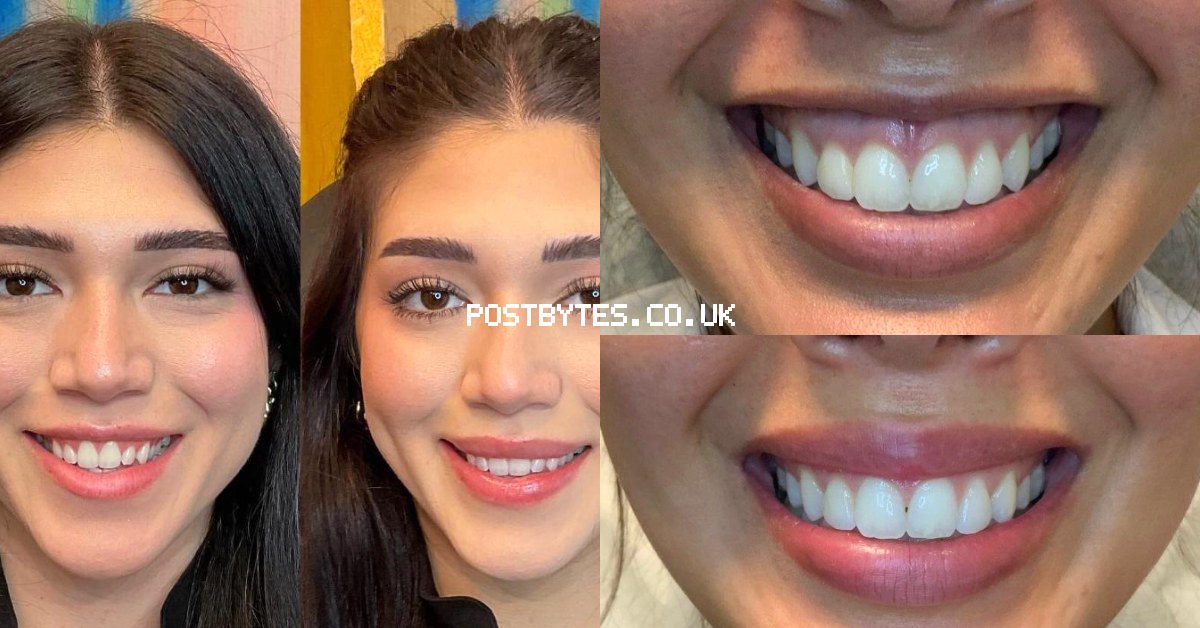
In 2020, a short video on TikTok showed a woman’s upper lip curling outward after a quick injection. That clip helped turn the lip flip into one of the most requested cosmetic procedures of the year. The treatment uses Botox to relax the orbicularis oris muscle, letting the upper lip roll slightly upward for a fuller look without adding volume. A companion read that pairs well with this one is US Workplace Safety Laws in 1900: Status and Reforms
Why the Lip Flip Became a Social Media Favorite
By 2021, the lip flip had become a staple of beauty content on Instagram and TikTok. Users praised it as a subtle alternative to fillers, especially for those who wanted a softer pout without the risk of overfilled lips. The procedure’s appeal lies in its restraint: results are often described as a gentle curl rather than a dramatic change.
Practitioners noticed a shift in patient requests. Instead of asking for plumpness, many began asking for a “flipped” look that reduces a gummy smile. The trend also aligned with a broader move toward natural-looking enhancements, where the goal is to look refreshed rather than altered.
One reason the lip flip gained traction is its low commitment. Because the effects fade within a few months, patients can try it without a long-term obligation. That flexibility made it a popular entry point for people curious about injectables but hesitant to start with fillers.
How the Lip Flip Evolved from Medical Practice to Trend
The technique wasn’t invented by a single doctor or brand. It emerged from aesthetic medicine’s broader use of botulinum toxin, which has been employed off-label for various cosmetic purposes since the late 20th century. Botox itself received FDA approval for glabellar lines in 2002, but its use in the lips remains off-label.
Social media accelerated the lip flip’s spread. Before 2020, it was a niche treatment known mainly to dermatologists and plastic surgeons. After viral videos demonstrated the before-and-after difference, clinics began listing it as a standalone service, and patient demand followed.
The procedure’s history is short but telling. It reflects how quickly a medical technique can become a cultural phenomenon when it fits a moment’s aesthetic preferences. The lip flip’s rise also highlights the growing influence of social platforms in shaping beauty standards.
What the Lip Flip Looks Like Today and What’s Next
Current lip flip treatments are quick, typically lasting about 10 minutes. Most providers inject a few units of Botox into the upper lip’s orbicularis oris muscle, and patients can resume normal activities immediately. The full effect appears within 2–5 days, peaks at 1–2 weeks, and lasts 2–3 months.
Costs vary widely, from $50 to $300 per session, depending on the provider’s location and the number of units used. Some clinics bundle the lip flip with dermal fillers for enhanced definition, though that combination increases both cost and recovery considerations. A reference profile of the subject is maintained on Lip flip
Looking ahead, the lip flip is likely to remain a staple in aesthetic medicine. Its temporary nature and subtle results align with current preferences for reversible procedures. However, practitioners caution that results depend heavily on individual anatomy, and not everyone will see the same outcome.
Step-by-Step: What Happens During a Lip Flip
First, the provider cleans the upper lip area and may apply a numbing cream. Then, using a fine needle, they inject small amounts of Botox into the orbicularis oris muscle. The number of units varies, but most treatments use between 2 and 6 units.
After the injection, you might feel a slight pinch. There’s no downtime, though some patients report temporary numbness or difficulty sipping drinks. These side effects usually resolve within a few days. com/lip-flip-before-and-after/” rel=”noopener noreferrer nofollow” target=”_blank”>Lip Flip Before and After: Photos and Everything You Need to Know
Results aren’t immediate. You’ll notice a subtle change within 2–5 days, with the full effect visible at the one-week mark. To maintain the look, you’ll need repeat injections every few months.
Before committing, consider the trade-offs. The lip flip won’t add volume like fillers, and it may not suit those with very thin lips. A consultation with a qualified provider is essential to determine if you’re a good candidate.
Frequently Asked Questions
How many units of Botox are typically used for a lip flip?
Most providers use between 2 and 6 units of Botox for a lip flip, though the exact amount depends on your muscle strength and desired effect. Your practitioner will assess your lip anatomy and adjust the dose accordingly.
Is the lip flip still popular in 2024?
Yes, the lip flip remains a sought-after procedure, especially among those seeking subtle enhancements. Its popularity has persisted since the 2020 TikTok trend, and many clinics continue to offer it as a standalone treatment or combined with fillers.
What is the difference between a lip flip and lip fillers?
A lip flip uses Botox to relax the upper lip muscle, causing it to curl outward for a fuller appearance without adding volume. Lip fillers, on the other hand, inject hyaluronic acid to increase lip size and projection. The lip flip is subtler and temporary, lasting 2–3 months.
How can I find a qualified provider for a lip flip?
Look for a board-certified dermatologist or plastic surgeon with experience in facial injectables. Check before-and-after photos, read reviews, and schedule a consultation to discuss your goals and any concerns. Avoid providers who offer unusually low prices, as quality and safety should be priorities.
Does the lip flip cause a lisp or speech difficulties?
Temporary speech changes, such as a slight lisp or difficulty pronouncing certain sounds, can occur after a lip flip. These effects are usually mild and resolve within a few days as the Botox settles. If you experience persistent issues, contact your provider.
