

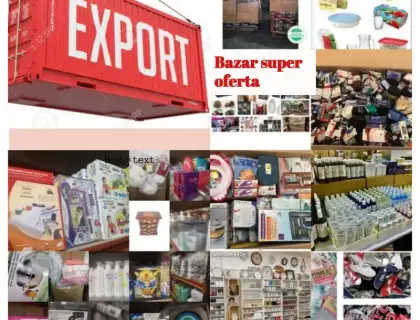
Shopping has become more complicated than simply finding a product and paying for it. Consumers have access to countless online stores, product categories, suppliers, and purchasing options. Businesses face similar challenges when sourcing inventory, comparing wholesale prices, and identifying reliable suppliers. With so many possibilities available, having access to useful shopping information can make a meaningful difference.
This is where hurtowezakupy.pl enters the picture. The Polish-language website presents itself as an informational portal focused on wholesale and retail purchasing. Rather than functioning as a conventional online marketplace, it provides articles, practical guides, industry information, and educational content designed to help readers understand different purchasing decisions.
For individual consumers, entrepreneurs, and business owners, understanding how to evaluate products and purchasing opportunities is an important part of managing money effectively. Exploring resources that explain shopping trends, product features, and buying considerations can help people approach these decisions with greater confidence.
What Is Hurtowezakupy.pl?
Hurtowezakupy.pl is a Polish informational website dedicated to topics connected with wholesale and retail shopping. Its content focuses on providing readers with practical knowledge before they make purchasing decisions.
The platform covers several areas of everyday commerce, including electronics, fashion, home furnishings, health and beauty, children’s products, food, automotive topics, and sports equipment.
Its central idea is straightforward: informed buyers are generally better positioned to evaluate their options.
Instead of presenting only product listings, the website publishes educational articles, analyses, and practical advice. This format makes it relevant to people who want to understand a product category, learn about purchasing considerations, or explore broader developments in the retail market.
The portal is particularly relevant to two audiences:
- Individual shoppers: People researching products, comparing alternatives, and looking for practical advice before spending money.
- Business buyers: Entrepreneurs, retailers, and companies interested in wholesale purchasing, suppliers, inventory, and commercial buying decisions.
Understanding this distinction is important because wholesale and retail purchasing often involve different priorities.
Why Wholesale and Retail Shopping Require Different Approaches
Although wholesale and retail shopping are closely connected, they serve different purchasing needs.
Retail shopping generally involves purchasing individual products or smaller quantities for personal use. Wholesale purchasing, on the other hand, usually involves buying larger quantities from manufacturers, distributors, or suppliers.
Both approaches have advantages, but the right choice depends on the buyer’s objectives.
Understanding Retail Shopping
Retail shopping is designed primarily around individual customers. People purchase products according to personal preferences, household requirements, available budgets, and immediate needs.
For example, someone buying a smartphone might compare battery performance, camera quality, storage capacity, warranty coverage, and customer reviews.
A household purchasing kitchen equipment may prioritize durability, energy efficiency, maintenance requirements, and overall value.
Retail buyers usually benefit from flexibility because they can purchase products in smaller quantities without maintaining substantial inventory.
However, convenience does not automatically mean better value. Comparing prices, checking product specifications, and understanding return conditions remain important steps.
Understanding Wholesale Purchasing
Wholesale shopping is more closely associated with businesses and large-volume buyers.
Retail stores, online sellers, restaurants, distributors, and other organizations frequently purchase inventory in bulk to support their operations.
For instance, a small clothing retailer may purchase several sizes and colors of a particular product from a wholesale supplier. Buying multiple units can potentially reduce the average purchase price.
However, wholesale purchasing involves additional considerations.
Businesses should evaluate minimum order quantities, shipping expenses, storage requirements, supplier reliability, product consistency, and potential unsold inventory.
A lower unit price is not necessarily a better deal if a business purchases more stock than it can realistically sell.
This is why informed purchasing decisions matter in both wholesale and retail environments.
Exploring the Main Topics Covered by Hurtowezakupy.pl
One of the useful characteristics of hurtowezakupy.pl is its broad approach to shopping-related information.
Different consumers have different priorities, and a website covering multiple product categories can help readers explore topics beyond their immediate purchasing needs.
Electronics and Gadgets
Electronics are among the most frequently researched product categories because technology changes quickly.
Consumers regularly compare smartphones, televisions, home appliances, audio equipment, and other electronic devices.
Before purchasing electronics, buyers should consider several factors:
- Product specifications and actual performance.
- Energy consumption and operating costs.
- Manufacturer warranty and customer support.
- Compatibility with existing devices.
- Availability of replacement parts.
- Long-term maintenance requirements.
For example, purchasing a television involves more than comparing screen sizes. Resolution, display technology, connectivity, sound quality, and viewing distance can all influence the final decision.
Educational content about electronics can help readers understand these differences before committing to an expensive purchase.
Fashion and Accessories
Fashion purchasing involves a combination of personal preferences, practical requirements, and changing trends.
Clothing buyers may consider fabric quality, sizing consistency, comfort, durability, and seasonal suitability.
Businesses operating in the fashion industry face additional challenges. They must understand customer preferences, evaluate suppliers, manage inventory, and avoid purchasing excessive quantities of products that may quickly go out of style.
Wholesale sourcing can provide access to larger product selections, but buyers should carefully assess samples and supplier specifications before placing substantial orders.
Home and Interior Products
Home furnishings and household equipment represent another important purchasing category.
Furniture, lighting, kitchen accessories, storage solutions, and decorative products can influence both the appearance and functionality of living spaces.
A practical approach to buying home products involves considering available space, material quality, maintenance requirements, durability, and overall design compatibility.
For businesses, purchasing decisions may also involve packaging, delivery arrangements, installation requirements, and bulk pricing.
Articles covering home and interior topics can help readers understand what to evaluate before selecting products.
Health and Beauty
Health and beauty products require particularly careful purchasing decisions.
Consumers should examine ingredient information, product labeling, manufacturer details, expiration dates, and relevant safety information.
When buying cosmetics or personal care products in larger quantities, businesses should also consider storage conditions and inventory turnover.
Price should never be the only deciding factor in this category. Product authenticity, quality, and suitability are equally important.
Children and Toys
Products designed for children require attention to safety, age suitability, and construction quality.
Parents should examine product warnings, recommended age ranges, material information, and applicable safety certifications.
Retailers and wholesale buyers must also consider seasonal demand, product availability, and compliance with relevant safety requirements.
These factors become especially important when purchasing toys, educational materials, children’s furniture, and other products intended for younger users.
Food and Gastronomy
Food-related purchasing involves additional considerations, including freshness, storage requirements, expiration dates, packaging, and transportation conditions.
Restaurants, grocery retailers, and catering businesses often depend on consistent suppliers to maintain product quality and control operating expenses.
Individual consumers can also benefit from understanding food labels, comparing product quantities, and evaluating overall value rather than simply choosing the cheapest available option.
Automotive and Transportation
Automotive products and accessories can involve significant differences in compatibility, quality, and maintenance requirements.
Whether someone is purchasing replacement components, vehicle accessories, or transportation equipment, checking specifications is essential.
Businesses operating in the automotive sector may also need to evaluate supplier consistency, product availability, delivery schedules, and warranty arrangements.
Sports and Recreation
Sports equipment and recreational products serve different activities and experience levels.
A beginner purchasing fitness equipment may have different requirements from an experienced athlete investing in specialized gear.
Product durability, correct sizing, intended use, safety features, and maintenance should all influence purchasing decisions.
These considerations help consumers avoid unnecessary expenses and select equipment that supports their actual needs.
How to Make Better Wholesale Purchasing Decisions
Wholesale buying can create opportunities for businesses to manage purchasing costs and maintain consistent inventory. However, successful bulk purchasing requires planning rather than simply choosing the supplier offering the lowest price.
The following practices can help businesses make more informed decisions.
Calculate the Complete Purchase Cost
The advertised wholesale price is only one part of the total expense.
Businesses should account for shipping, packaging, import duties where applicable, taxes, storage, handling, and potential product losses.
For example, Supplier A might offer a lower unit price but charge substantially more for delivery. Supplier B could have a slightly higher product price but offer more economical shipping.
Comparing the complete landed cost provides a more realistic picture of which option offers better value.
Research Suppliers Carefully
Supplier reliability can directly influence business operations.
Before placing a significant order, buyers should investigate the supplier’s business history, communication practices, product documentation, payment conditions, and customer feedback.
Requesting samples can also help verify whether the actual merchandise matches the advertised specifications.
For larger transactions, written agreements and clearly documented purchasing terms can reduce misunderstandings.
Understand Minimum Order Quantities
Many wholesale suppliers establish minimum order quantities, commonly known as MOQs.
These requirements can make bulk purchasing economical for established retailers but challenging for smaller businesses.
Before accepting an MOQ, buyers should estimate expected demand and determine whether they have sufficient storage space and working capital.
Purchasing unnecessary inventory can create financial pressure even when the initial wholesale price appears attractive.
Evaluate Inventory Turnover
Inventory turnover measures how efficiently a business sells and replaces its stock over a given period.
Products with predictable demand may be suitable for larger purchasing quantities.
Items with uncertain demand, short shelf lives, or rapidly changing trends generally require more cautious inventory planning.
Understanding purchasing patterns helps businesses avoid tying up excessive capital in unsold products.
Practical Tips for Smarter Retail Shopping
Individual consumers can also benefit from a structured purchasing process.
A little research before checkout can help prevent unnecessary spending and reduce the likelihood of choosing unsuitable products.
Compare More Than the Advertised Price
Two products may look similar but offer different levels of quality, functionality, and durability.
Comparing specifications, warranty coverage, included accessories, and delivery costs provides a more complete understanding of product value.
Read Reviews Critically
Customer reviews can reveal useful information about product performance and common problems.
However, shoppers should avoid relying entirely on a single review or an unusually high overall rating.
Look for recurring observations across multiple reviews, especially comments describing long-term use.
Check Return and Refund Policies
Before purchasing from an online retailer, examine its return policy and refund procedures.
Important details include the return period, eligible product conditions, shipping responsibilities, and exceptions for particular categories.
Understanding these requirements can prevent unpleasant surprises after delivery.
Consider Long-Term Value
A cheaper product is not always the most economical option.
For example, an inexpensive household appliance with higher energy consumption or frequent maintenance requirements may cost more over time than a slightly more expensive alternative.
Evaluating durability and operating expenses helps consumers make better long-term decisions.
The Role of Online Shopping Information in Modern Commerce
Digital commerce has changed how people research and purchase products.
Consumers can now compare prices, examine specifications, read reviews, and explore alternatives without visiting multiple physical stores.
Businesses have also gained access to broader supplier networks and new purchasing opportunities.
However, the availability of information creates another challenge: determining which information is useful and reliable.
A well-organized informational portal can help readers understand unfamiliar product categories and identify important considerations before making a decision.
This is the broader value of resources such as hurtowezakupy.pl.
By bringing different shopping-related subjects together, the website provides a starting point for readers interested in wholesale and retail purchasing.
Its educational approach also reflects an important development in online commerce. People increasingly want to understand what they are buying, why a particular option may be suitable, and what potential limitations they should consider.
How Businesses Can Benefit From Better Purchasing Knowledge
Purchasing decisions influence several areas of business performance.
For retailers and small businesses, product sourcing affects operating expenses, inventory availability, customer satisfaction, and profitability.
A business that understands its purchasing requirements is generally better prepared to negotiate with suppliers and manage inventory.
For example, a small online retailer preparing for a seasonal sales period should evaluate historical demand, expected customer interest, delivery timelines, and available storage capacity before purchasing stock.
Ordering too little could result in missed sales opportunities. Ordering too much could leave the business with unsold inventory after the season ends.
Similarly, restaurants need to maintain dependable purchasing arrangements for ingredients and supplies while managing freshness and storage requirements.
Educational resources covering these topics can help business owners identify questions they should ask before committing to suppliers or purchasing agreements.
The objective is not simply to spend less money. It is to purchase the right products, in appropriate quantities, under conditions that support sustainable business operations.
Is Hurtowezakupy.pl an Online Store or an Information Portal?
This is an important distinction for people discovering the website through search engines.
Based on its published homepage and article directory, hurtowezakupy.pl presents itself as an informational portal rather than a conventional transactional online store.
Its content focuses on shopping advice, educational articles, analyses, and purchasing-related topics.
Visitors should therefore approach it as a source of information rather than assume they can directly order products through the website.
Readers interested in a particular product or supplier can use the information they discover as a starting point for additional research.
Before completing any purchase elsewhere, they should independently verify the seller, product details, pricing, payment conditions, and delivery arrangements.
This distinction helps establish realistic expectations about the website’s purpose.
Frequently Asked Questions About Hurtowezakupy.pl
1. What is hurtowezakupy.pl?
Hurtowezakupy.pl is a Polish-language informational portal covering wholesale and retail shopping. It publishes articles, practical guides, and educational content about different product categories and purchasing decisions.
2. Is hurtowezakupy.pl an online shopping store?
The website presents itself primarily as an informational resource rather than a traditional online store. Its main purpose is to provide shopping-related knowledge and articles instead of functioning as a direct product marketplace.
3. Who can benefit from hurtowezakupy.pl?
Individual consumers, entrepreneurs, retailers, and business owners may find its content relevant. The website covers topics connected with personal shopping as well as wholesale purchasing and commercial buying decisions.
4. What topics does the website cover?
Its published categories include electronics and gadgets, fashion and accessories, home and interiors, health and beauty, children and toys, food and gastronomy, automotive and transportation, and sports and recreation.
5. What is the difference between wholesale and retail shopping?
Wholesale shopping generally involves purchasing larger quantities from suppliers, manufacturers, or distributors. Retail shopping usually involves purchasing individual products or smaller quantities for personal use.
6. Why is wholesale purchasing useful for businesses?
Wholesale purchasing can help businesses source inventory in larger quantities and potentially reduce average product costs. However, the actual value depends on shipping expenses, minimum order quantities, storage, supplier reliability, and customer demand.
7. How can consumers make better online purchasing decisions?
Consumers should compare product specifications, examine customer feedback, check seller information, review return policies, and calculate the complete purchase cost before placing an order.
8. Does a lower wholesale price always mean better value?
No. A lower advertised price may be offset by expensive shipping, poor product quality, high minimum order requirements, or unreliable delivery. Businesses should compare the total purchasing cost before selecting a supplier.
9. Can small businesses benefit from wholesale shopping guides?
Yes. Small businesses can use purchasing guides to understand supplier selection, inventory planning, minimum order quantities, product evaluation, and cost management.
10. Why should shoppers research products before buying?
Research helps consumers understand product features, identify potential limitations, compare alternatives, and avoid unsuitable purchases. It also makes it easier to evaluate whether a product offers genuine value for its price.
Conclusion
Making informed purchasing decisions is important for both individual consumers and businesses. Whether someone is buying a household appliance, researching fashion products, sourcing wholesale inventory, or evaluating a new supplier, understanding the available options can lead to better outcomes.
Hurtowezakupy.pl approaches this subject through a broad collection of Polish-language articles and practical shopping information. Its coverage of electronics, fashion, home products, health, food, automotive topics, and other categories makes it relevant to readers with different purchasing interests.
Although it should be understood as an informational portal rather than a conventional online marketplace, its content provides a useful starting point for exploring wholesale and retail buying considerations.
Ultimately, smarter shopping is not simply about finding the lowest price. It involves evaluating quality, reliability, suitability, and long-term value before making a purchase. Developing these habits can help consumers spend more thoughtfully and enable businesses to manage their purchasing decisions more effectively.
