

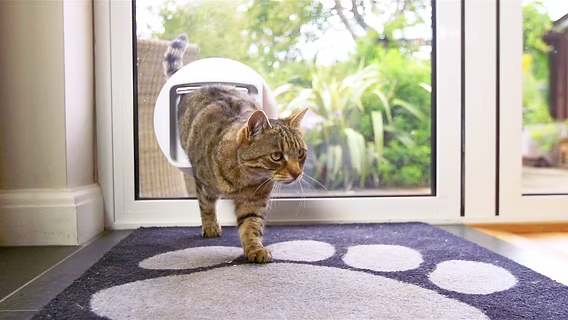
Understanding Cat Flaps and uPVC Doors
Many homeowners search for how to fit a cat flap in a uPVC door because they want to give their cat easy access to the outdoors without constantly opening the door. A cat flap can improve convenience for both pets and owners while helping cats maintain their independence.
Before starting the installation process, it is important to understand the type of uPVC door you have. Some uPVC doors contain a simple flat panel that can be cut relatively easily, while others include reinforced steel sections or decorative panels that may require professional assistance. Identifying the door type beforehand can help prevent costly mistakes.
Tools and Materials You Will Need
When learning how to fit a cat flap in a uPVC door, having the right tools makes the job much easier. Most cat flap kits include a template that helps mark the correct cutting area on the door.
| Tool or Material | Purpose |
|---|---|
| Cat flap kit | Main installation component |
| Pencil or marker | Marking the cut area |
| Tape measure | Measuring correct placement |
| Drill | Creating starter holes |
| Jigsaw | Cutting the panel opening |
| Screwdriver | Securing the cat flap |
| Safety glasses | Eye protection during cutting |
Gathering all necessary equipment before starting can help ensure a smooth installation process.
Choosing the Right Position for the Cat Flap
An important step in how to fit a cat flap in a uPVC door is selecting the correct location. The cat flap should be positioned at a comfortable height for your cat. Most installers recommend measuring from the floor to your cat’s stomach and aligning the bottom of the flap with that measurement.
The chosen location should also avoid door frames, locks, and reinforced sections whenever possible. Proper placement ensures the flap operates smoothly while maintaining the structural integrity of the door.
Measuring and Marking the Door
Once the location is selected, the next step in how to fit a cat flap in a uPVC door is measuring and marking the opening. Most cat flap manufacturers provide a paper template that can be taped directly onto the door surface.
Carefully use a tape measure to confirm the template is centered and level. Accurate measurements are essential because even small errors can result in a poor fit or gaps around the cat flap after installation.
Cutting the Opening
The cutting stage is often considered the most important part of how to fit a cat flap in a uPVC door. Start by drilling holes at the corners of the marked outline. These holes provide entry points for the jigsaw blade.
Using a jigsaw, carefully follow the marked lines to create the opening. Work slowly and steadily to achieve a clean cut. Rushing this stage can lead to uneven edges or accidental damage to the door panel.
Installing the Cat Flap
After the opening has been cut, the next step in how to fit a cat flap in a uPVC door is securing the cat flap itself. Position the front section of the cat flap on one side of the door and align the rear section on the opposite side.
Most models include screws that connect both sections through the door panel. Tighten the screws evenly to ensure a secure fit, but avoid over-tightening, as this could damage the plastic housing or distort the flap.
Testing the Cat Flap
Testing is an essential part of how to fit a cat flap in a uPVC door. Once installed, open and close the flap several times to ensure it swings freely and seals correctly. Check that all screws are secure and that there are no gaps around the frame.
If your cat flap includes locking mechanisms or microchip access features, test these functions according to the manufacturer’s instructions. Proper testing ensures the installation is successful before allowing your pet to use it regularly.
Common Mistakes to Avoid
While researching how to fit a cat flap in a uPVC door, many homeowners discover that mistakes often occur during measuring and cutting. Incorrect measurements can lead to oversized openings that are difficult to repair.
Another common mistake is attempting to cut through reinforced door sections without checking the internal structure first. Taking time to inspect the door and follow instructions carefully can prevent unnecessary damage and additional expenses.
Benefits of Installing a Cat Flap
One reason people search for how to fit a cat flap in a uPVC door is the convenience it offers. Cats can enter and leave independently, reducing the need for owners to constantly open doors throughout the day.
A properly installed cat flap can also improve a pet’s quality of life by allowing easier access to outdoor spaces. For many households, it provides a practical balance between pet freedom and home security.
Conclusion
Learning how to fit a cat flap in a uPVC door can be a valuable DIY project for pet owners. With careful planning, accurate measurements, and the right tools, many homeowners can complete the installation successfully.
By following each step carefully and choosing the correct location, you can create a safe and convenient entry point for your cat. A well-installed cat flap not only improves convenience but also enhances your pet’s independence and comfort.
FAQs
Can you fit a cat flap into any uPVC door?
Most uPVC doors can accommodate a cat flap, but reinforced panels may require professional installation.
What tools do I need to install a cat flap?
Common tools include a drill, jigsaw, screwdriver, tape measure, and safety glasses.
How high should a cat flap be installed?
The bottom of the flap should generally align with your cat’s stomach height.
Can I install a microchip cat flap in a uPVC door?
Yes, many microchip-operated cat flaps are designed specifically for uPVC door installation.
Is fitting a cat flap a DIY job?
Yes, many homeowners can install a cat flap themselves if the door panel is suitable and proper tools are available.
