

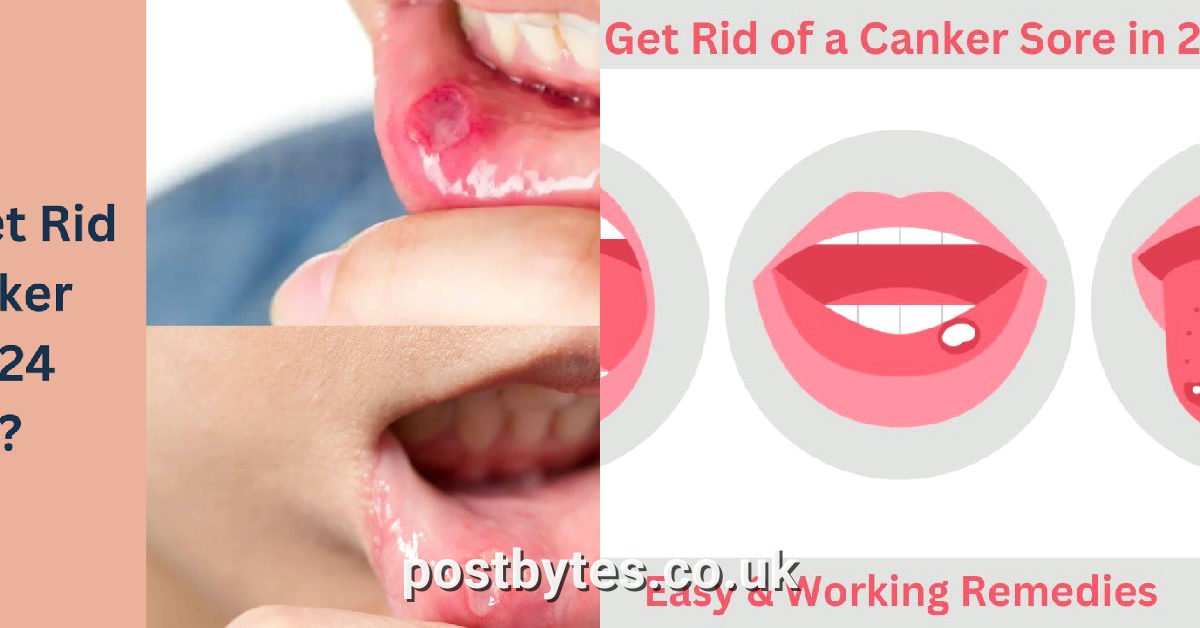
At 2 a.m., the sharp sting of a canker sore makes sleep impossible. You want it gone by morning, but biology has other plans. Canker sores, medically known as aphthous stomatitis, are shallow, painful ulcers that typically heal on their own in 7 to 14 days. No proven method completely eliminates one within 24 hours, but certain treatments can dramatically reduce pain and speed healing. Another piece worth your time is our homepage guide on how to get rid of a canker sore in 24 hours, which touches on a related question
How Professional Treatments Can Shorten Healing Time
Dentists have several tools that go beyond home remedies. Debacterol, a sulfonated phenolic solution, chemically cauterizes the ulcer. Applied in-office, it can reduce pain and healing time to 1-3 days. Silver nitrate sticks work similarly, burning the sore to trigger faster recovery, but they require professional application to avoid damaging healthy tissue.
Low-level laser therapy (LLLT) offers another route. A dentist directs a specific wavelength at the ulcer, which reduces inflammation and can shorten healing to 24-48 hours. For moderate sores, prescription triamcinolone dental paste (Kenalog in Orabase) is a common choice. It suppresses inflammation and speeds recovery, though it is not a magic bullet.
| Treatment | How It Works | Typical Healing Time |
|---|---|---|
| Debacterol | Chemical cauterization | 1-3 days |
| Silver nitrate | Cauterization | Varies, often faster |
| Laser therapy | Low-level light reduces inflammation | 24-48 hours |
| Prescription paste | Anti-inflammatory steroid | Several days |
What Is Confirmed and What Remains Unverified
Home remedies like warm salt water or baking soda rinses are widely recommended. They reduce inflammation and clean the area, but no evidence shows they guarantee 24-hour resolution. Over-the-counter numbing gels with benzocaine or lidocaine relieve pain within minutes, yet they do not accelerate healing.
The review emphasized symptomatic management and pain control as the realistic goal. Succalfate suspension, used off-label, may coat the ulcer and reduce discomfort, but its effectiveness is not universally accepted.
The weaker claim here is that any single method works for everyone. Individual response varies, and what helps one person may do little for another. The more useful approach is to combine professional treatment with careful home care.
Strengths and Weaknesses of Fast-Acting Options
Debacterol and laser therapy are the strongest contenders for rapid relief. They target the ulcer directly and can cut healing time significantly. However, both require a dental visit, which is not always convenient or affordable. Silver nitrate is effective but can cause a burning sensation during application.
Prescription pastes are easier to use at home but take longer to show results. They are best for moderate sores, not emergency relief. Numbing gels are the quickest for pain, but they mask symptoms rather than treat the cause. For many people, the realistic outcome is reduced pain, not a vanished sore. How to Get Rid of a Canker Sore in 24 Hours: 7 Relief Tips – Docus keeps a longer factual record of the subject for those who want more
Avoiding acidic, spicy, or crunchy foods and using a soft toothbrush are practical steps that prevent further irritation. These habits support healing but do not promise a 24-hour fix. The trade-off is clear: professional treatments offer speed, while home care offers convenience.
Common Misconceptions About Canker Sores
Many people confuse canker sores with cold sores. Canker sores are not contagious, while cold sores are caused by the herpes simplex virus and spread easily. This distinction matters for treatment and prevention.
Another myth is that canker sores result from poor hygiene. In reality, they often stem from stress, minor injury, or certain foods. Some believe that popping or draining the sore speeds healing, but that only increases pain and infection risk.
Finally, the idea that a single home remedy can cure a canker sore overnight is unfounded. The 2023 review and clinical practice point to symptom management as the standard. Understanding these misconceptions helps set realistic expectations.
Frequently Asked Questions
What is a good alternative to prescription paste for canker sores?
Over-the-counter numbing gels with benzocaine or lidocaine are a common alternative for pain relief. They work within minutes but do not shorten healing time. For a more natural option, some people use honey or aloe vera, though evidence is limited. If pain persists, consult a dentist.
When did the 2023 JAMA review on canker sores come out?
The review was published in 2023 in JAMA Otolaryngology–Head & Neck Surgery. It concluded that no FDA-approved cure exists and highlighted the importance of symptomatic management. The review also noted that most canker sores resolve without intervention within two weeks.
How much does laser therapy for a canker sore cost?
Laser therapy costs vary widely by location and dental practice. Some clinics charge per session, while others include it in a treatment package. It is often not covered by insurance, so expect to pay out of pocket. A quick call to your dentist can provide an exact quote.
Who is most likely to get canker sores?
Canker sores affect people of all ages, but they are more common in teenagers and young adults. Women are slightly more prone than men, possibly due to hormonal factors. A family history of canker sores also increases risk. Stress and certain foods can trigger outbreaks.
How does a canker sore differ from a cold sore?
A canker sore appears inside the mouth as a shallow, grayish ulcer with a red border. A cold sore, caused by the herpes simplex virus, forms on the lips or around the mouth as a cluster of blisters. Canker sores are not contagious, while cold sores are highly contagious.
