

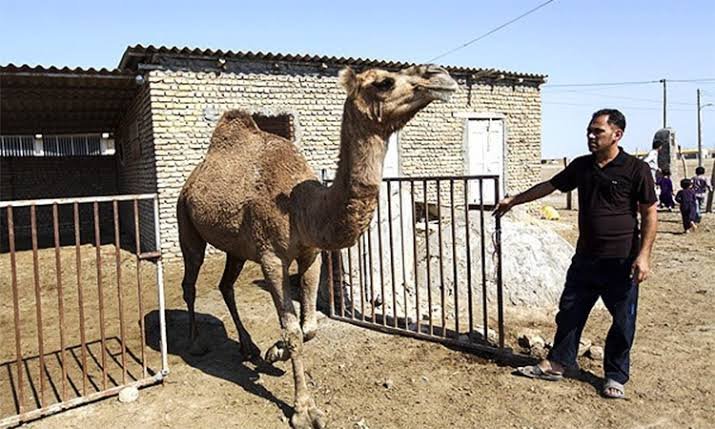
If you have ever stumbled across the phrase “How many camels am I worth?” online, you might have assumed it was just a quirky internet meme or a viral quiz. However, beneath this playful inquiry lies a deep exploration of ancient barter economies, nomadic traditions, and the historical significance of livestock across the Middle East, North Africa, and Central Asia.
Determining one’s “worth” in camels isn’t just an entertaining internet trend—it is a window into how historic societies measured wealth, social standing, and marital alliances. This guide breaks down the cultural origins of the phrase, modern livestock valuation, and how to calculate your metaphorical “camel worth” today.
The Origins: Why Camels Were the Ultimate Currency
Long before paper currency, credit cards, or digital banking, physical assets dictated economic power. In arid desert regions where agriculture was difficult, camels were the primary store of value.
1. The “Ships of the Desert” in Trade
Across the Silk Road and Trans-Saharan trade routes, camels were essential for transporting spices, textiles, gold, and salt across thousands of miles of harsh terrain. Owning a large herd was equivalent to owning a thriving shipping enterprise today.
2. Dowry, Bridal Gifts (Mahr), and Tribal Alliances
In many traditional Bedouin and pastoral societies, marriages involved an exchange of gifts between families. A groom’s family would offer camels as part of the Mahr (dower) to demonstrate financial stability and provide the bride with personal security. The number of camels exchanged reflected the social status, reputation, and wealth of the families involved.
3. Blood Money (Diyya) and Legal Restitution
In ancient desert law systems, legal disputes, accidental harm, or tribal conflicts were often settled through restitution paid in camels. A formal compensation system was established where specific offenses carried a designated penalty measured in livestock.
The Viral Internet Trend: How Did This Become a Meme?
In recent years, the question “How many camels am I worth?” resurfaced as a popular internet phenomenon driven by online Camel Calculators. These viral quizzes ask users lighthearted questions about their age, height, hair color, and personality traits to calculate an arbitrary number of camels.
While these online tools are strictly meant for humor and entertainment, they draw inspiration from the real-world historical tradition of evaluating asset value through livestock.
Modern Camel Valuation: How Much Is a Camel Worth Today?
If you were to calculate your net worth or symbolic value in actual livestock today, how much would that cost? In modern livestock markets, the monetary value of a camel varies drastically based on breed, age, health, and purpose.
| Camel Category | Intended Purpose | Estimated Price (USD) |
| Standard Commercial Camel | Meat production, hide, and general livestock | $1,000 – $2,500 |
| Working & Transport Camel | Tourism, desert safaris, and riding | $3,000 – $5,000 |
| High-Yield Dairy Camel | Milk production and specialized farming | $4,000 – $8,000 |
| Pedigree Racing Camel | Elite racing competitions in the Gulf states | $20,000 – $100,000+ |
| Prize Beauty Camels | Festival competitions (e.g., King Abdulaziz Camel Festival) | $500,000 – $1,000,000+ |
Fun Fact: Elite prize camels competing in luxury beauty pageants or racing circuits in Saudi Arabia and the UAE can sell for millions of dollars, making them more valuable than luxury supercars!
How to Calculate Your “Worth” in Camels (3 Ways)
If you want to playfully answer the question for yourself, here are three simple ways to interpret it:
Method 1: The Net Worth Conversion (Financial)
Divide your financial savings or annual income by the average price of an everyday working camel ($2,500).
$$\text{Camel Worth} = \frac{\text{Your Annual Income or Net Worth}}{\$2,500}$$
- Example: An annual salary of $50,000 equals approximately 20 standard camels.
Method 2: The Practical Utility Assessment (Skills & Resilience)
In historical nomadic cultures, value was tied to practical contributions:
- 1–5 Camels: A novice learner or traveler.
- 10–25 Camels: A skilled artisan, provider, or trader.
- 50+ Camels: A tribal leader, master strategist, or community pillar.
Method 3: The Humor & Self-Confidence Approach
Simply choose your level of confidence! Are you worth a modest pack animal, a small family herd, or a sweeping caravan traversing the desert?
Frequently Asked Questions (FAQs)
Is asking “How many camels am I worth?” offensive?
When used as a lighthearted joke or self-deprecating humor online, it is generally harmless. However, it is important to remember that historical livestock transactions represented real economic livelihoods, not the literal buying or selling of human beings.
Are camels still used as currency today?
While modern nations use fiat currency (like Dollars, Dirhams, or Riyals), camels remain a vital store of wealth and medium of exchange in rural, nomadic communities across East Africa (such as Somalia and Sudan) and parts of the Middle East.
Which country has the largest camel population in the world?
Somalia and How Many Camels Am I Worth hold some of the largest camel populations globally. Australia also has a massive population of feral dromedary camels originally imported in the 19th century.
Conclusion
The question “How many camels am I worth?” combines historical heritage with modern digital humor. While calculating an exact number is purely a lighthearted exercise, exploring the concept highlights how ancient cultures measured stability, status, and community wealth through resilient livestock.
